


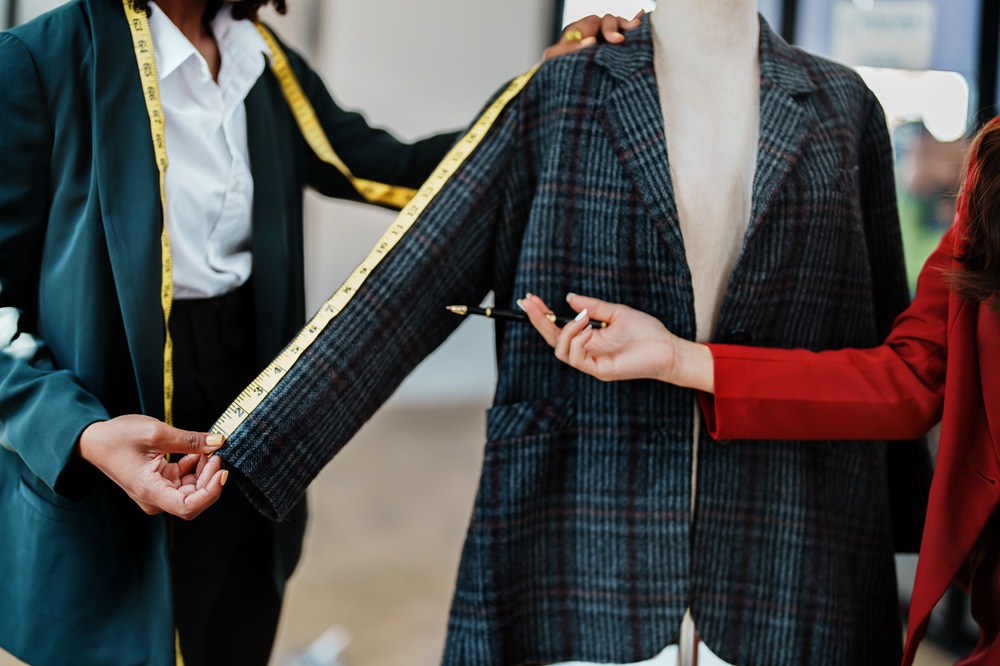
You’ve blocked time on your calendar for a fitting, and ideally, you’d like it handled in one visit. Even so, it’s not always clear how much preparation really contributes to the outcome. You might assume the tailor will adjust everything, no matter what you bring or wear.
In reality, tailoring is most precise when it reflects how the garment will actually be worn. The height of your shoes can change how pant hems fall, and the undergarments you choose can influence how dresses and fitted pieces settle on your body. Even something as simple as whether the garment has been freshly cleaned can affect how the fabric drapes and responds to adjustments.
Understanding these details ahead of time can help prevent small fitting issues that sometimes lead to additional appointments. Here’s what to know before heading in.
Wear the Exact Shoes You Plan to Use
When you arrive at a fitting, your tailor evaluates your full silhouette, not just the garment on its own. The shoes you plan to wear affect how trousers fall and how a dress hem meets the floor. Even a small change in heel height can alter the pant break or the overall balance of a gown. For precise alterations, create the same setup you’ll have on the day you plan to wear it.
Here’s what footwear impacts:
- Heel height: A higher heel lifts the body and shortens the visible length of trousers or skirts.
- Pant break alignment: The break – the fold where pants meet the shoe – depends entirely on sole thickness and heel structure.
- Dress hem accuracy: Floor-length dresses require millimeter-level precision to avoid dragging or appearing too short.
- Posture shift: Certain shoes subtly alter stance and hip alignment, which can affect how fabric drapes.
Small differences in toe shape or sole thickness can impact length adjustments, so the right footwear gives your tailor accurate reference points and prevents unnecessary rework during the alteration process.
Bring the Right Undergarments
Undergarments shape your body, and that directly affects how a garment fits. During a fitting, your tailor adjusts the piece to the shape you bring that day. If that shape changes when you get dressed for your event, the fit can look slightly off. Bringing the right undergarments helps make sure the alterations reflect how you’ll actually wear the outfit.
Pay attention to:
- Shapewear: Compression garments smooth lines and reduce changes in measurement at the waist and hips.
- Dress shirts under suits: Shirt thickness affects jacket sleeve length and chest fit.
- Strapless bras for formalwear: Support structure influences the positioning of the bodice and the placement of the neckline.
- Specialized underlayers: Corsetry, slips, or control shorts can change how seams align.
When you skip this step, the garment often fits differently at the final try-on because it wasn’t adjusted to the exact shape you’ll wear at the event. The alteration process works best when the tailor can fit the piece to your true, event-ready silhouette.
Arrive With the Garment Clean and Pressed
A clean, pressed garment helps your tailor see exactly how it’s constructed. Wrinkles can hide, pulling at the seams or making parts of the garment seem tighter than they really are. Stains and dirt can also get in the way during alterations. Bringing it in fresh and ready makes it easier to get accurate measurements and protect the fabric.
Here is what a pressed garment reveals:
- Accurate seam lines: Clear lines help tailors identify where adjustments should occur.
- True fabric drape: Smooth fabric shows how the garment naturally falls on the body.
- Hidden tension points: Pressing exposes pulling that might otherwise be mistaken for wrinkles.
- Construction details: Clean garments make linings, darts, and hems easier to evaluate.
Many tailoring shops also offer pressing or light cleaning to make the garment look perfect before you pick it up. When you come prepared, it shows you value the process and helps your tailor carry out the alterations smoothly and accurately.
Be Clear About How You Want the Garment to Fit
While a tailor can adjust how a garment fits, they still depend on you to explain the style you aim for. You might prefer a slim, modern fit, or you may feel better in something more relaxed and comfortable.
The type of event and how long you’ll wear the outfit also play a role in how it should fit. When you clearly explain what you like, the alterations are much more likely to match your expectations.
Consider addressing:
- Silhouette: Slim, tailored, structured, relaxed, or classic.
- Mobility: Room for sitting, dancing, or extended wear.
- Professional vs. formal look: Business-appropriate sharpness versus evening elegance.
- Personal comfort threshold: How close-fitting feels acceptable to you.
If you’re not sure what an alteration will actually change (such as tapering trousers or shaping a jacket waist), just ask. A good tailor will explain your options and recommend adjustments that work for your body and the construction of the garment.
Allow Enough Time Before Your Event
Timing can make a big difference in how your alterations turn out. How long it takes depends on the complexity of the garment and the workload of the tailor. Structured pieces such as suits and formal dresses often need more than one fitting to get everything just right. When you plan ahead, you give the alteration process the time it needs to achieve the best possible fit.
A typical timeline may include:
- Initial fitting: Pinning, marking, and discussing changes.
- First alteration stage: Structural adjustments and reshaping.
- Second fitting (if needed): Fine-tuning proportions.
- Final pressing and pickup: Ensuring polished presentation.
For weddings or major formal events, most tailors suggest starting alterations four to six weeks in advance. That gives enough time to account for how the fabric settles, the shop’s schedule, and any small adjustments that may come up.
Look Your Best in Every Outfit – Let Tres Bon Dry Cleaners Perfect the Fit
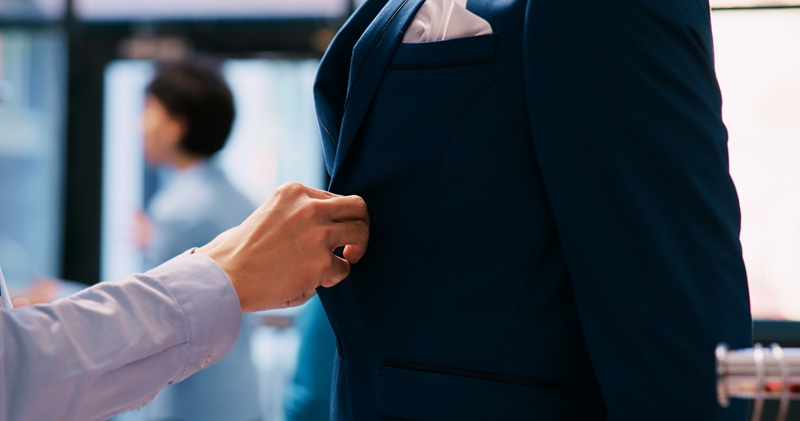
The preparation matters, yes, but the craftsmanship behind the alteration process is what truly defines the final fit.
At Tres Bon Dry Cleaners, we can help you always look your best. With decades of experience in tailoring, alterations, and garment repair, our professionally trained tailors understand exactly how alterations can refine structure, improve balance, and create a polished silhouette. We pay close attention to details – how a sleeve should lay, where a hem should break, and how seams should be finished – whether it’s for everyday wear or a formal event.
Come see us at Tres Bon Dry Cleaners – we can’t wait to give you the perfect fit!
📞 Call us at (516) 494-7991
✉️ Email us at contact@tresbondrycleaners.com